Comprehensive Overview of Essential Hot Water Tank Services
Explore the Most Crucial Hot Water Tank Services You Should Be Aware Of

In Vancouver, hot water tank services encompass vital tasks such as installation, maintenance, and repair of water heating systems, which are essential for every household. Given Vancouver's notoriously damp and chilly climate, having dependable access to hot water is not just a luxury but a necessity for everyday living. These professional services guarantee that residents can rely on hot water for essential activities like bathing, cooking, cleaning, and other domestic chores.
Regular maintenance is crucial in preventing common problems that can arise within hot water systems, ensuring they function efficiently and effectively. Unfortunately, this aspect of home upkeep is frequently overlooked, yet it significantly impacts the homeowner's comfort levels and the overall energy efficiency of their property. A well-maintained hot water tank can greatly enhance the quality of life and lead to reduced utility costs, making hot water tank services a smart investment for any homeowner.
Uncover the Various Types of Hot Water Tanks Available on the Market
Today, there is a wide array of hot water tanks on the market, each tailored to meet the specific preferences and needs of homeowners. The primary categories include conventional tank systems, tankless water heaters, and heat pump water heaters, with each offering unique benefits that cater to diverse household requirements.
Conventional tank systems can store substantial amounts of hot water, making them suitable for larger families or homes with high hot water demands. Typically, these tanks have capacities ranging from 30 to 80 gallons. Conversely, tankless water heaters heat water instantaneously, doing away with the necessity for a storage tank and presenting a more energy-efficient alternative for smaller households or those with lower hot water usage. Finally, heat pump water heaters utilise electricity to extract heat from the surrounding air or ground, providing an environmentally friendly choice for eco-conscious consumers.
Selecting the ideal hot water tank involves assessing various factors, such as energy efficiency, available space, and the household's specific hot water needs. Each type has its own advantages and installation requirements, making it imperative to align them with the homeowner’s individual circumstances and lifestyle.
The Importance of Regular Maintenance for Hot Water Tanks
The importance of routine maintenance for hot water tanks cannot be emphasised enough. Regular inspections and servicing can help prevent unforeseen failures, prolong the lifespan of the system, and improve energy efficiency. Proactive maintenance allows homeowners to identify potential issues before they escalate into costly repairs, enabling them to address concerns proactively and avoid substantial inconveniences.
For example, routinely flushing the tank to eliminate sediment build-up is a critical maintenance task that can significantly enhance heating efficiency. Over time, sediment can accumulate, diminishing performance and increasing energy consumption. Regular inspections also ensure that all components, including the thermostat and pressure relief valve, are functioning correctly. Homeowners prioritising routine maintenance can expect better efficiency, reduced energy costs, and an extended lifespan for their hot water tanks, making this a vital aspect of responsible homeownership in Vancouver.
How to Select the Perfect Hot Water Tank for Your Home

Assessing Your Household’s Hot Water Requirements
Choosing the right hot water tank begins with a comprehensive evaluation of your household's hot water needs. Take into account the number of residents in your home and their daily hot water usage patterns to determine the appropriate tank capacity and type. For instance, a family of four will likely require a larger tank compared to a single occupant.
Considerations such as the number of bathrooms, frequency of laundry, and peak usage times will significantly impact this assessment. Additionally, energy efficiency should be a priority; high-efficiency models may have a higher initial cost but can lead to considerable long-term savings on energy bills. Space limitations within your home can also determine which type of tank is most suitable for installation. Although tankless options may necessitate a larger upfront investment, they can save both space and energy over time, making them a practical choice for smaller households.
By thoroughly contemplating these factors, homeowners can make informed decisions that balance capacity, efficiency, and cost, ultimately ensuring a hot water solution that seamlessly integrates into their lifestyle.
Evaluating Energy Efficiency Ratings for Hot Water Tanks
Grasping energy efficiency ratings is vital when selecting a hot water tank that can assist in lowering energy costs. Seek models that carry the Energy Star certification, as these comply with stringent energy efficiency standards set by the U.S. Environmental Protection Agency. A high energy efficiency rating signifies that the unit is designed to consume less energy while still supplying the same level of hot water.
For example, conventional storage tanks generally possess an Energy Factor (EF) rating that reflects their efficiency. In contrast, tankless models often achieve a higher EF due to their on-demand heating capabilities, which eliminate standby heat loss—a common issue with traditional tanks. When comparing alternatives, it is crucial to consider both the initial investment and potential long-term savings on energy bills. Although an efficient model may have a higher purchase price, the savings accrued over its lifespan can significantly outweigh the initial cost.
In Vancouver, where energy prices frequently fluctuate considerably, selecting an energy-efficient hot water tank not only enhances personal savings but also promotes environmental responsibility. This dual advantage creates a win-win situation that benefits both homeowners and the planet.
Key Considerations for Hot Water Tank Installation
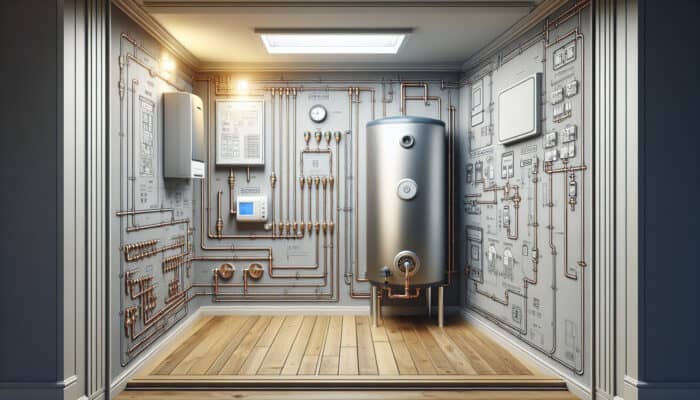
When planning for the installation of a hot water tank, several crucial factors must be considered to ensure a smooth and compliant experience. First, assess the available space in your home for the new unit. Hot water tanks require adequate space not only for installation but also for future maintenance access.
Next, contemplate the type of fuel your system will require, such as natural gas, electricity, or propane. Each fuel type has specific installation guidelines and safety protocols that must be strictly adhered to. Additionally, it is essential to familiarise yourself with local building codes and regulations in Vancouver governing hot water tank installations, as adhering to these standards is critical for both safety and avoiding potential penalties.
Finally, plumbing modifications may be necessary during the installation process, particularly if transitioning from one system type to another. Engaging a professional service provider can help navigate these considerations effectively, ensuring that the installation complies with all safety and regulatory standards while operating optimally within your home.
How to Compare Various Models of Hot Water Tanks
Choosing the appropriate hot water tank requires a thorough evaluation of the various models available and how they align with your household's needs and budget. Traditional tank models, which store hot water for immediate use, often have lower upfront costs but can incur higher operational expenses over time due to energy consumption.
Tankless systems provide the benefit of heating water on demand, thus eliminating the need for storage and minimising energy waste. However, they typically come with a higher installation cost and may struggle to provide sufficient hot water during peak usage periods, depending on the household size and usage patterns.
Hybrid systems, which blend the advantages of both traditional and tankless designs, can be particularly appealing for families seeking energy efficiency without compromising capacity. Each type has its own set of pros and cons that warrant careful consideration.
For instance, while traditional tanks are reliable and widely understood, tankless options can offer long-term savings and improved efficiency. Evaluating your household's specific hot water requirements, spatial constraints, and budget will help identify the best fit, ensuring a sound investment for your Vancouver residence.
Insights from Experts on Hot Water Tank Services in Vancouver
Success Stories from Hot Water Tank Installations
Successful hot water tank installations in Vancouver serve as excellent illustrations of the effectiveness and reliability of these services. One noteworthy case involved a family in East Vancouver who experienced inconsistent hot water supply problems due to an outdated traditional tank. After assessing their needs, a local service provider suggested a high-efficiency tankless model, which not only resolved their hot water issues but also resulted in a 30% decrease in their monthly energy bills.
Another example features a homeowner in Kitsilano, who opted for a hybrid water heater. This unit blended seamlessly into their existing space while delivering significant energy savings and a consistent supply of hot water, even during peak usage times.
The key advantages of investing in professional hot water tank services include:
- Enhanced energy efficiency, leading to lower utility expenses.
- Increased reliability and consistent availability of hot water.
- Prolonged lifespan of the hot water system.
- Expert guidance on selecting the most appropriate system tailored to your home’s specific requirements.
- Compliance with local regulations and safety standards.
These instances highlight the significance of choosing experienced professionals for installations, ensuring homeowners enjoy both comfort and peace of mind.
Proven Maintenance Steps for Homeowners
Carrying out basic maintenance tasks is essential for extending the lifespan and efficiency of your hot water tank. Here’s a detailed guide to empower homeowners in keeping their systems operating optimally:
1. Flushing the Tank: This vital process eliminates sediment build-up that can hinder efficiency. Begin by turning off the power and cold water supply, then connect a hose to the drain valve and allow the tank to empty completely.
2. Testing the Pressure Relief Valve: This safety feature prevents excessive pressure from accumulating in the tank. Test it by briefly lifting the lever to ensure it releases water and reseals correctly.
3. Checking for Leaks: Regularly inspect all connections and the tank itself for any signs of leaks, which can indicate a failing unit.
4. Monitoring Temperature Settings: Ensure the thermostat is set to the optimal temperature, typically around 120°F, to prevent scalding and reduce energy consumption.
By adhering to these maintenance tasks, homeowners can significantly enhance their hot water tank’s performance while avoiding expensive repairs. A consistent maintenance regimen not only extends the system’s lifespan but also promotes energy efficiency, benefiting both the household and the environment.
Expert Insights on Energy Savings Through Efficient Upgrades
Upgrading to a more energy-efficient hot water tank model can result in substantial energy savings for homeowners. For example, switching from an older traditional tank to a modern tankless system can potentially reduce energy consumption by 24-34% for homes that utilise moderate amounts of hot water.
A thorough cost-benefit analysis can help homeowners understand the financial implications of such an upgrade. While initial costs may be higher for energy-efficient models, the long-term savings on energy bills often justify this investment. Typically, a new high-efficiency system can pay for itself within 5 to 10 years through reduced energy expenditures.
Additionally, the environmental benefits of adopting energy-efficient systems are considerable. By lowering energy consumption, homeowners help reduce greenhouse gas emissions, aligning with sustainability initiatives in Vancouver. The dual advantage of saving money while being environmentally responsible makes upgrading to energy-efficient hot water systems a compelling choice for modern homeowners.
Common Issues and Effective Troubleshooting Techniques
Many homeowners in Vancouver experience common problems with their hot water tanks that can frequently be resolved with simple troubleshooting methods. Some common issues include:
- Leaking tanks: Often caused by corrosion or loose connections. Inspecting the tank and tightening connections can help mitigate this problem.
- Noisy operation: Sounds like popping or rumbling may indicate sediment build-up. Flushing the tank can restore quiet operation.
- Inconsistent water temperatures: A malfunctioning thermostat or sediment accumulation may be the underlying cause. Regular maintenance checks can help maintain consistent temperatures.
- Insufficient hot water supply: This could be due to an undersized tank. Re-evaluating household needs and tank capacity may be necessary.
Homeowners should keep these common problems in mind and conduct regular checks to identify and address issues before they escalate. Early detection and timely troubleshooting can save both time and money, ensuring a more reliable hot water supply for the home.
Identifying Common Problems with Hot Water Tanks
What Are the Causes of Hot Water Tank Leaks?
Hot water tank leaks can arise from various factors, primarily involving corrosion, loose connections, or a malfunctioning pressure relief valve. Corrosion is often the primary culprit, particularly in older tanks that have not received proper maintenance or servicing. Over time, the tank's metal can deteriorate, leading to leaks.
Loose connections at the inlet and outlet pipes can also result in water escaping. Regular inspections and maintenance can help identify these issues early. The pressure relief valve, designed to release excess pressure, may fail due to wear and tear over time, resulting in leaks. Quickly identifying the leak's source is vital for effective repairs and minimising water damage to your home.
To address leaks, it is crucial to immediately shut off the water supply and power to the tank. If the leak is minor, tightening connections may resolve the issue. However, significant leaks will likely require professional intervention, including the replacement of the tank or its components.
How to Fix Noisy Tanks
Noisy hot water tanks can be bothersome for homeowners, often indicating underlying issues that should be resolved. Common causes of noise in hot water tanks include sediment build-up, loose heating elements, or high water pressure.
Sediment accumulation at the bottom of the tank can lead to popping or rumbling noises as the heating element works harder to heat the water. Regularly flushing the tank can alleviate this issue and restore quiet operation. If the heating elements are loose, tightening them may resolve any rattling noises.
High water pressure can create whistling or banging sounds, indicating that the system may require a pressure regulator. Homeowners experiencing persistent noise should investigate these potential causes to avoid further damage and ensure optimal performance from their hot water tanks.
How to Address Inconsistent Water Temperatures
Experiencing inconsistent water temperatures is a common frustration for users of hot water tanks. This issue can stem from several factors, including a malfunctioning thermostat, sediment build-up, or a failing heating element. A faulty thermostat may not accurately measure the water temperature, resulting in fluctuations in hot water availability.
Sediment accumulation can obstruct the heating element, hindering efficient heat transfer and causing temperature inconsistencies. Regular maintenance, which includes flushing the tank, can help alleviate this problem. Lastly, if the heating elements are damaged or worn out, they may not consistently heat the water. Checking and potentially replacing these elements can resolve the issue.
Homeowners must conduct regular checks and maintenance to ensure consistent water temperatures and avoid costly repairs due to neglect.
A Comprehensive Guide to the Hot Water Tank Installation Process
What to Expect During Your Hot Water Tank Installation
The installation process of a hot water tank is a detailed task that generally requires several hours to complete. Initially, a professional installer will assess your home’s plumbing and determine the most suitable location for the new unit. If you are replacing an existing tank, the old unit will be carefully removed and disposed of in accordance with local regulations.
Once the assessment is complete, the installer will prepare the site, ensuring the area is clear and accessible for the installation. The new hot water tank will then be installed, with connections made to the plumbing and electrical (or gas) supply. After the installation, thorough testing will be conducted to ensure everything operates correctly before the technician leaves.
Expect clear communication throughout the installation process, as a reputable service provider will explain each step and address any questions or concerns you might have. This transparency helps homeowners feel assured that their new hot water tank is safe and compliant with local codes.
What Safety Measures and Compliance Are Followed During Installation?
Professional installers adhere to stringent safety measures and compliance standards throughout the installation of hot water tanks. This adherence ensures that the installation is safe and reduces the likelihood of future accidents or failures. Installers must familiarise themselves with local building codes and regulations, which cover aspects such as tank placement, venting, and electrical connections.
Safety protocols include verifying that the power supply is turned off before installation, securely connecting all plumbing and gas lines, and performing leak tests once the installation is complete. Additionally, installers are trained to identify potential hazards, such as gas leaks or electrical issues, ensuring a safe environment for the homeowner.
By selecting a licensed and experienced service provider, homeowners can be confident that their hot water tank installation will be executed by professionals dedicated to safety and compliance, providing peace of mind.
What Post-Installation Checks and Adjustments Are Necessary?
After completing the hot water tank installation, technicians perform crucial post-installation checks and adjustments to ensure optimal performance. These checks include testing the heating elements, verifying thermostat settings, and confirming that all connections are secure.
Technicians will also adjust the temperature settings to the recommended levels to prevent scalding and improve energy efficiency. Providing homeowners with guidance on operating the new system is another vital aspect of the post-installation phase. Understanding how to use and maintain the hot water tank effectively can lead to better performance and a longer lifespan.
Post-installation follow-up is essential, as it ensures that homeowners are fully informed about their new system, promoting a positive experience with their hot water tank. Any questions or concerns can be addressed during this phase, emphasising the importance of professional installation services.
What Tools and Equipment Are Utilised During Installation?
Installing a hot water tank requires a range of specialised tools and equipment to ensure a secure and efficient process. Installers typically use pipe wrenches to tighten and secure plumbing connections, helping to prevent leaks. Soldering equipment may also be necessary for joining copper pipes, which is essential for creating durable, leak-proof connections.
Pressure gauges are employed to test water pressure and ensure the system operates within the recommended parameters, averting potential issues down the line. Additionally, installers may utilise drills, levels, and other essential hand tools to facilitate the installation process.
By using these specialised tools, professional installers can guarantee that the hot water tank is properly installed, safe, and ready for everyday use. Homeowners should always seek technicians equipped with the right tools and expertise to manage their hot water tank installations effectively.
Essential Maintenance Guidelines for Hot Water Tanks
How Frequently Should You Service Your Hot Water Tank?
Regular servicing of your hot water tank is crucial for maintaining optimal performance and extending its lifespan. Homeowners are encouraged to schedule annual servicing to keep their systems in peak condition. This routine maintenance typically involves flushing the tank to remove sediment that can accumulate over time, checking the pressure relief valve, and inspecting other critical components for signs of wear and tear.
Annual servicing not only helps prevent unexpected breakdowns but also ensures that your hot water tank operates efficiently, potentially leading to significant energy savings. Furthermore, adhering to a regular service schedule can prolong the lifespan of your hot water tank, ultimately saving you money on replacements and repairs.
By prioritising annual maintenance, homeowners can enjoy a reliable supply of hot water while avoiding the inconveniences and expenses associated with a malfunctioning system.
What DIY Maintenance Tasks Can You Undertake?
Homeowners can effectively perform simple DIY maintenance tasks to extend the life of their hot water tanks. These tasks include checking the pressure relief valve, inspecting for leaks around connections, and monitoring the tank’s temperature settings.
One straightforward task involves checking the pressure relief valve, which serves as a safety mechanism to prevent excessive pressure build-up. By occasionally lifting the lever, homeowners can confirm that the valve operates correctly and releases water as intended.
Inspecting for leaks is another critical task; homeowners should examine the area around the base of the tank and at the connections for any signs of water. Early detection of leaks can prevent significant water damage and costly repairs. Moreover, monitoring the temperature settings on the thermostat is essential, as keeping the temperature around 120°F can enhance efficiency and reduce the risk of scalding.
By regularly performing these simple tasks, homeowners can maintain their hot water tanks effectively and identify potential issues before they escalate.
When Should You Seek Professional Assistance?
While homeowners can manage many maintenance tasks independently, certain situations necessitate professional help. If you observe significant leaks, unusual noises, or if the tank fails to produce hot water effectively, it is essential to seek professional assistance.
Persistent or worsening leaks can indicate underlying issues that require expert intervention. Similarly, if you hear banging or popping sounds that do not resolve after flushing the tank, this may signify a more serious problem needing attention.
Finally, if the hot water tank fails to heat water consistently, it may warrant repairs or replacement of its components. Prompt action from a professional can prevent further damage and ensure that your hot water system operates efficiently. Homeowners should not hesitate to contact professionals when faced with significant issues, as this can save time, money, and hassle in the long run.
Research-Backed Benefits of Hot Water Tank Services in Vancouver
What Do Studies Indicate About Energy Efficiency Improvements?
Research indicates that modern hot water tanks can substantially reduce energy consumption, resulting in lower utility bills and a smaller carbon footprint. Upgrading to energy-efficient models often leads to reductions in greenhouse gas emissions, positively impacting environmental sustainability.
Studies reveal that homeowners who invest in high-efficiency hot water tanks can save a significant percentage on their energy bills over time. For instance, transitioning from an older model to a new Energy Star-certified unit can lead to savings of up to 20% annually. This reduction not only benefits individual households financially but also supports broader energy conservation initiatives in Vancouver.
These energy efficiency improvements present compelling reasons for homeowners to consider upgrading their hot water systems, aligning personal financial benefits with environmental stewardship.
How Do Longevity and Cost Savings Intersect with Maintenance?
Data indicates that consistent maintenance and timely upgrades to hot water tanks can extend their lifespan, resulting in long-term cost savings for homeowners. A well-maintained hot water tank can last up to 15 years or more, whereas neglected systems may fail much sooner, leading to unexpected replacement costs.
Furthermore, the cost associated with maintaining a hot water tank is generally far less than the expense of emergency replacements. Preventative measures such as annual servicing, tank flushing, and routine inspections can cost a fraction of what homeowners would pay in the event of a complete breakdown. By prioritising maintenance, homeowners can enjoy reliable hot water while avoiding unnecessary financial burdens.
Investing in a high-quality hot water tank and committing to its regular maintenance can yield substantial savings over time, highlighting the importance of hot water tank services in Vancouver.
What Is the Environmental Impact of Efficient Hot Water Systems?
Efficient hot water tanks not only provide economic benefits for homeowners but also contribute positively to the environment. By decreasing energy consumption, these systems play a vital role in lowering greenhouse gas emissions.
- Reduced energy costs for homeowners.
- A lower carbon footprint achieved through decreased energy usage.
- Support for local and global sustainability efforts.
- Increased reliance on renewable energy sources when integrated with solar hot water systems.
As awareness of environmental issues grows, the demand for eco-friendly home solutions continues to rise. Efficient hot water tanks align with eco-conscious living, enabling homeowners to make responsible choices that benefit both their households and the planet.
How to Choose the Right Hot Water Tank Service Provider
What Key Qualities Should You Look for in a Service Provider?
Finding the right service provider for hot water tank services requires careful consideration of several essential factors. First and foremost, ensure that the professionals are licensed and insured, providing peace of mind that they meet industry standards for safety and quality.
Next, seek out service providers with positive reviews and a strong track record of reliable service within the Vancouver community. Word-of-mouth recommendations and online reviews can offer valuable insights into the quality of their work. Furthermore, inquire about warranties and after-sales support, as these can enhance your experience and protect your investment.
Ultimately, the ideal service provider should demonstrate a commitment to customer satisfaction and possess the expertise required to address your specific hot water tank needs effectively.
How to Effectively Compare Service Quotes?
When seeking hot water tank services, obtaining multiple quotes from different providers is a prudent strategy. This practice enables homeowners to compare prices, services offered, and the reputation of each service provider.
Ensure that you have a clear understanding of what each quote encompasses, including installation costs, warranties, and any necessary permits. Comparing quotes allows you to identify the best value for your investment while ensuring that you receive high-quality service tailored to your needs.
By taking the time to compare service quotes, homeowners can make informed decisions that align with their budget and expectations for hot water tank services.
Why Is Local Expertise Vital When Choosing a Service Provider?
Opting for a local service provider for hot water tank services offers numerous advantages. Local professionals understand the specific requirements and regulations of Vancouver, ensuring that their services comply with local codes and are tailored to the area’s unique climate conditions.
Moreover, local service providers are often better positioned to respond swiftly to emergencies and provide timely support for maintenance and repairs. Their familiarity with the community and its distinct challenges enables them to deliver personalised service that larger, national companies may not offer.
Investing in local expertise ultimately leads to superior service and a more satisfactory experience for homeowners in Vancouver.
How to Assess the Quality of Customer Service?
Evaluating the quality of customer service is a crucial factor in selecting a reliable hot water tank service provider. Pay attention to the responsiveness and helpfulness of their customer support team. A service provider that prioritises customer satisfaction is likely to ensure a smooth experience from start to finish.
Consider reaching out with questions before committing to a service provider. Their willingness to assist and provide clear, informative answers can serve as a strong indicator of their commitment to delivering high-quality service. Positive interactions with customer service can significantly enhance your overall experience and satisfaction with the provider.
In the competitive market of hot water tank services, excellent customer service can distinguish a provider, making it essential for homeowners to consider this aspect when selecting a service.
Why Is It Essential to Verify Emergency Services Availability?
Emergencies concerning hot water tanks can arise unexpectedly, making it crucial to select a service provider that offers emergency repair and maintenance services. Inquire about their availability for urgent situations, as quick response times are vital for preventing further damage to your home.
A reliable service provider should be equipped to manage urgent repairs efficiently, ensuring that you are not left without hot water for extended periods. Checking their emergency services availability grants homeowners peace of mind, knowing they will receive prompt assistance when needed, thereby safeguarding their comfort and convenience.
Frequently Asked Questions About Hot Water Tanks
What Is the Average Lifespan of a Hot Water Tank?
The average lifespan of a hot water tank typically ranges from 10 to 15 years, depending on the type and the level of maintenance it receives.
How Often Should I Flush My Hot Water Tank?
It is advisable to flush your hot water tank at least once a year to remove sediment build-up and maintain optimal efficiency.
What Are the Signs That My Hot Water Tank Needs Repair?
Signs that your hot water tank may require repair include leaks, unusual noises, inconsistent water temperatures, or a complete lack of hot water.
Can I Install a Hot Water Tank on My Own?
While DIY installation is possible, it is highly recommended to hire a professional to ensure safety, compliance with local codes, and proper functionality of the system.
What Are the Benefits of Tankless Water Heaters?
Tankless water heaters provide on-demand hot water, are more energy-efficient, and occupy less space compared to traditional tank systems.
How Do I Choose the Right Size Hot Water Tank?
Assess your household’s hot water usage patterns and the number of occupants to determine the appropriate size and capacity for your hot water tank.
What Maintenance Tasks Can I Perform on My Hot Water Tank?
Homeowners can perform tasks such as checking the pressure relief valve, inspecting for leaks, and regularly monitoring the temperature settings to maintain their hot water tanks effectively.
What Is the Cost of a New Hot Water Tank Installation?
The cost of installing a new hot water tank can vary widely, depending on the type of tank, the complexity of the installation, and local labour rates, generally ranging from $800 to $2,500.
How Can I Improve the Energy Efficiency of My Hot Water Tank?</h
Improving energy efficiency can be achieved through regular maintenance, insulating the tank, adjusting the temperature setting, and selecting energy-efficient models.
What Should I Do If My Hot Water Tank Is Leaking?
If your hot water tank is leaking, immediately shut off the water supply and power, then contact a professional for assessment and repair to prevent further damage.
Connect with us on Facebook!
Presented By: Hot Water Tank in Vancouver
The Article: Hot Water Tank Services in Vancouver: Your Local Experts First Published On: https://pacificbluemechanical.ca/
The Article Hot Water Tank Services: Vancouver’s Local Experts Was Found On https://limitsofstrategy.com